
Monitoring blood sugar at home is easy, but paying attention to details is crucial for accurate results. Here are common mistakes to avoid:
-
Mistake 1: The code card was not replaced in time, resulting in inaccurate blood sugar levels.
Suggestion: If you are using a blood glucose meter with a code card, you need to make sure every time your test strip matches the code number, because the code is the link between the blood glucose meter and the test strip, if the blood glucose meter doesn’t match the test strip code, it will lead to inaccurate blood glucose monitoring.
-
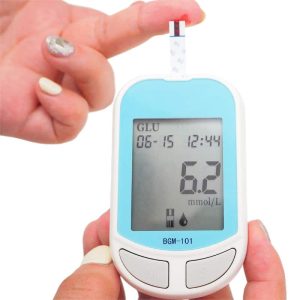
Mistake 2: The finger used for blood collection is not clean, and the blood glucose value measured is not accurate.
Suggestion: Before performing a blood glucose test, you need to clean the blood collection site (such as the side of the finger abdomen), and wash your hands (especially the blood collection part and bit) with soap and warm water, especially if the fingers hold the food, it will easily affect the blood sugar value.
-
Mistake 3: Disinfect with iodine wine or iodophor before testing, resulting in inaccurate blood sugar measurement. Because iodine has a strong oxidation effect, it remains on the skin and reacts with glucose oxidase, which affects the accuracy of measurement.
Suggestion: Disinfect with 75% alcohol before monitoring blood glucose, do not use iodine wine or iodophor to disinfect; alcohol is highly volatile, and tighten the cap in time after use, so as not to volatilize alcohol, reduce the effective concentration, and affect the disinfection effect.
-
Mistake 4: Collecting blood when the finger is not completely dry. When the alcohol is not completely volatilized, on the one hand, the alcohol will cause pain after invading the needle hole, on the other hand, the alcohol is likely to mix into the blood droplets, thereby reducing the glucose concentration in the blood to be measured, resulting in a low blood glucose value, and the greater the amount of disinfectant residue, the greater the impact on the blood glucose value.
Suggestion: Be sure to take blood from the dry finger, disinfect the finger with alcohol, wait until the alcohol is completely volatilized before inserting the needle, or wipe the alcohol dry with a cotton ball, and wait about 10 seconds to prickle the finger.
-
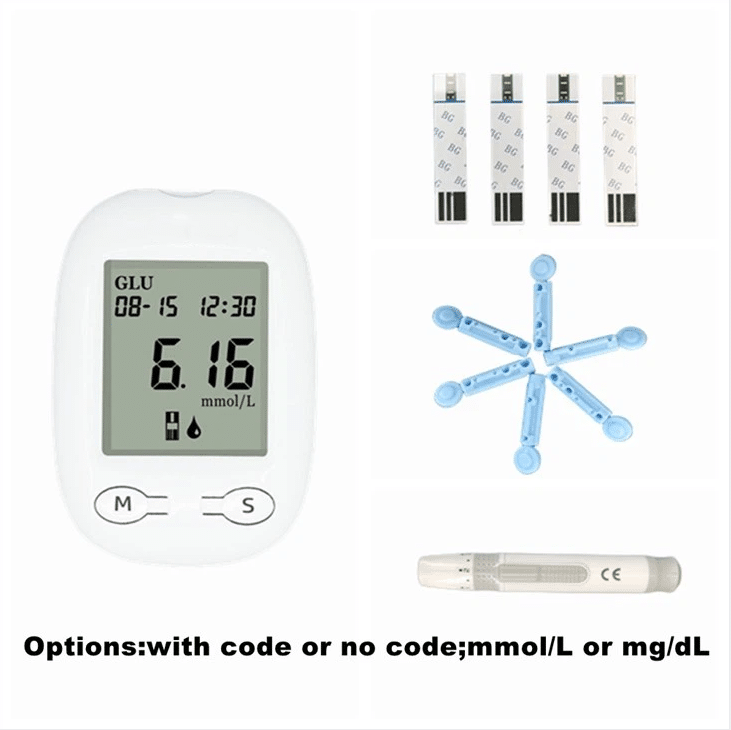
Mistake 5: The blood collection site is not suitable. Some diabetes people choose to collect blood from their fingertips, which has a strong sense of pain, which affects the mood and then causes deviations in blood sugar values.
Suggestion: Choose the lateral side of the finger because these areas have less nerve distribution than the median of the finger, are less painful, and have sufficient blood, most people take turns to collect blood from the remaining eight fingers except the thumb.
-
Mistake 6: After successful blood collection, wipe off the first drop of blood and use the second drop of blood to measure blood sugar, resulting in the exudation of tissue fluid, which affects blood sugar values. Some people are accustomed to wiping off the first drop of blood and using the second drop of blood to measure blood sugar.
Sometimes, after the first drop of blood is wiped off, the second drop of blood does not spill naturally and squeezes the finger to form a second drop, which will cause tissue fluid to leak and affect blood sugar levels.
So, should I use the first or second drop of blood to measure blood sugar? Studies have shown that in the case of hand hygiene, wipe the blood collection site with 75% alcohol, puncture after drying, avoid squeezing, and compare the first and second drops of blood with venous blood for biochemical blood glucose monitoring, and the value is not statistically significant. It is not necessary to use a second drop of blood.
Suggestion: Wash your hands with warm water before taking blood, and hang your arm naturally for 30 seconds to fill the blood vessels at the end of your fingers, squeeze the finger gently from the base upward for controlled bleeding.
-
Mistake 7: The amount of blood collected is insufficient, resulting in the blood glucose value not being measured.
Suggestion: Drop a sufficient amount of blood sample on the test strip at one time, completely cover the test strip area, and do not press or move the blood glucose test strip and blood glucose meter during the test. consistent blood amounts ensure accurate results.
-
Mistake 8: Store meters and strips anywhere, the blood glucose test strip has expired and is still used.
Suggestion: Keep glucose test strips in a cool, ventilated place indoors. Check strip validity before use. test strips have an expiration date, and once the expiration date has passed, they must be thrown away, because the blood glucose value measured by the expired test strips is inaccurate, which is easy to mislead the treatment.