What EU POCT importers should be aware of under the new IVDR? we made this Q&A for you to help better understand it.
IVDR is a new EU regulation that aims to improve clinical safety and provide fair market access for manufacturers and healthcare professionals.
It came into force on May 25, 2017,replacing the former EU Directive on In Vitro Diagnostic Devices (IVDD). It is now legally binding in all EU member states, setting higher standards for the quality and safety of IVD devices.

1. How long does it take for the transition to the IVDR?
The timeline is progressive and depends on a product’s classification.
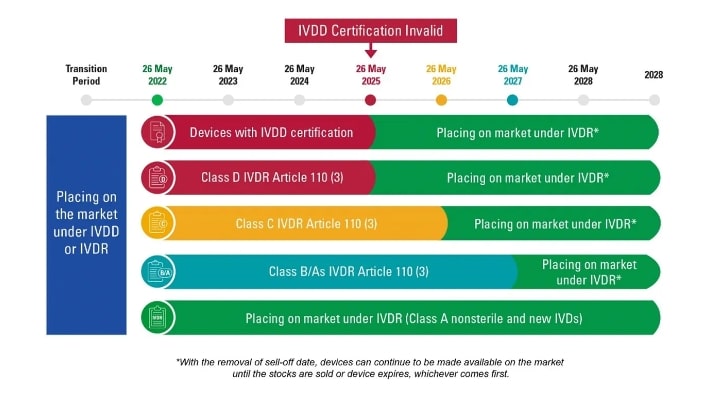
In some cases, in vitro diagnostic products already certified by a Notified Body (NB) under IVDD may be sold until May 2024, so long as no significant changes are made to the device,
the IVDD certificate is still valid and the device remains subject to regular NB surveillance.
2. How are IVD products classified according to IVDR?
The In Vitro Diagnostic Regulation (IVDR) utilizes a risk-based classification system with four classes, ranging from A (the lowest risk) to D (the highest risk).
Under the IVDR requirements, a Notified Body is responsible for inspecting Class A-Sterile, as well as Classes B, C, and D products.
Annex VIII of the IVDR defines the four classes and replaces the previous lists A and B. The four classes are as follows:
– Class D (high individual risk and high public health risk), which includes products used for transfusion medicine or determination of life-threatening or infectious diseases.
– Class C (high individual risk and moderate public health risk), which includes human genetic testing, determining levels of medicinal products, and detecting infectious or inherited diseases in the embryo or fetus.
Most self-tests (performed by patients) fall within class C.
– Class B (moderate individual risk and low public health risk), which includes less critical parameters such as glucose or leukocytes. Class B is also the default class for all parameters that do not fall within the scope of any of the stated rules.
– Class A (low individual risk and low public health risk), which includes devices that are self-certified by their manufacturers unless they are sold as sterile, uncritical devices such as washing solutions or general culture media.
The IVDR also divides in-vitro diagnostic products into further categories, including devices for near-patient testing (NPT), self-testing devices, and companion diagnostic devices
which are essential for the safe and effective use of a corresponding medicinal product. An example of a companion diagnostic device would be a genetic test verifying whether a cytostatic is effective.
The IVDR regulations stipulate that in vitro diagnostic reagents in categories B, C, and D must be certified by a Notified Body (NB). How to find the Notified Body(NB)?IVDR Notified Body Enquiry URL(wait patiently):
3. Where can I check the CE certification?
CE certification is a safety certification standard in the European market, and CE certification is required if the product is sold in the European market.
If you want to check whether a product has CE certification, you can check the official European CE marking website, which is the website of the European Commission – Enterprise and Industry
at https://ec.europa.eu/growth/single-market/ce-marking_en. on this website, you can enter the model and manufacturer information of the product to check whether the product has CE certification.
4. What is near-patient testing (NPT)? Is it the same thing as POCT?
Article 2 of the EU IVDR defines NPT as a device that is intended to perform tests outside the laboratory environment but is not a self-testing device. These tests are usually conducted near or beside the patient by a healthcare professional. near-patient testing (NPT) is also known as Point-of-care Testing (POCT).
Like any other In Vitro Diagnostic (IVD) devices, NPT products are also required to apply for conformity assessment and obtain a CE marking. However, for NPTs, there are additional requirements in IVDR, providing more substantial evidence for the design and performance safety.
NPTs need to comply with additional labeling requirements. For example, NPTs are required to affix a specific symbol on the device.
Near-patient testing (NPT) or Point-of-Care Testing (POCT) has several benefits:
- Simple operation with no specific requirements for operators.
- Fewer steps and fast results.
- Personalized testing to meet the specific needs of each patient.
- Portable equipment with low requirements for storage and encapsulation conditions.
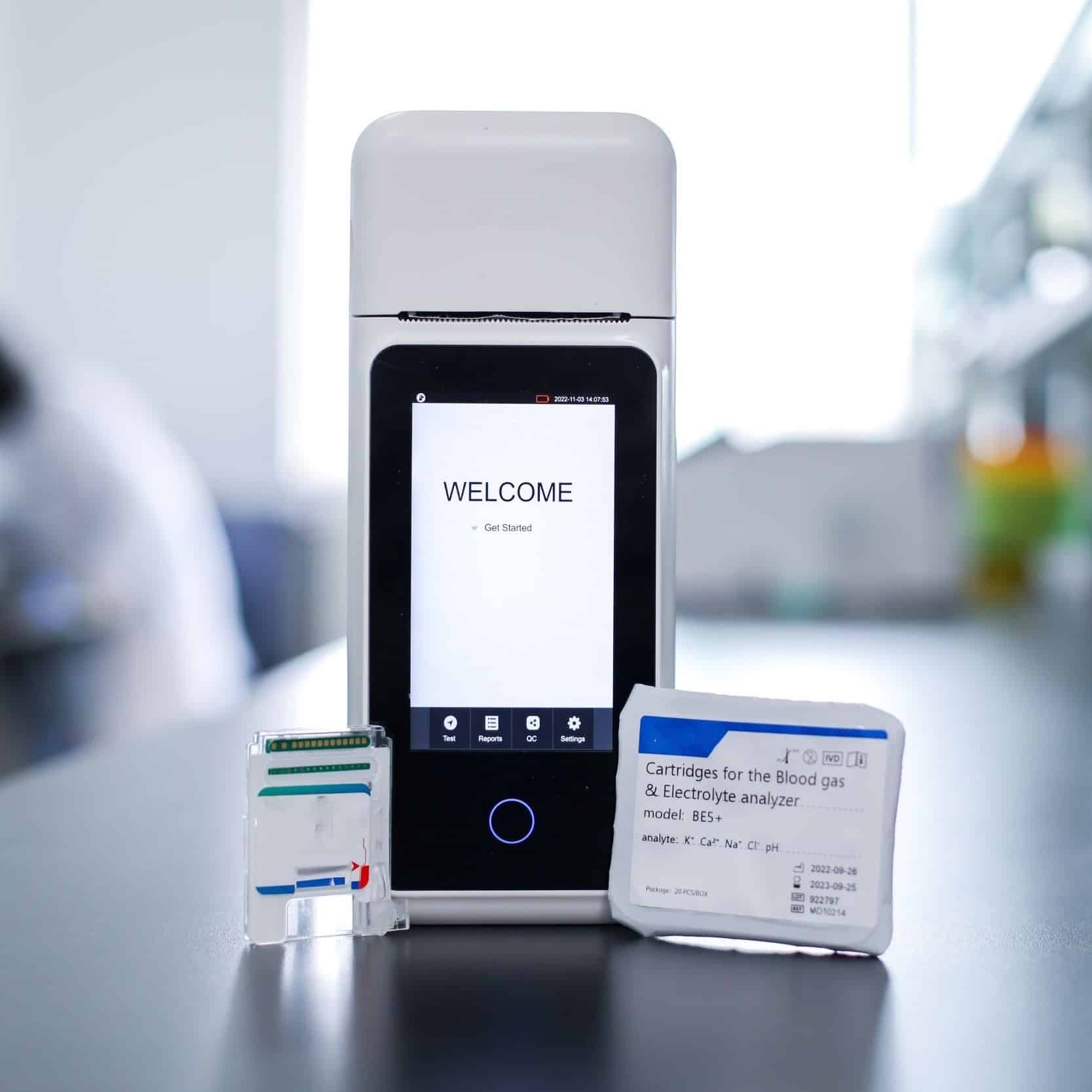
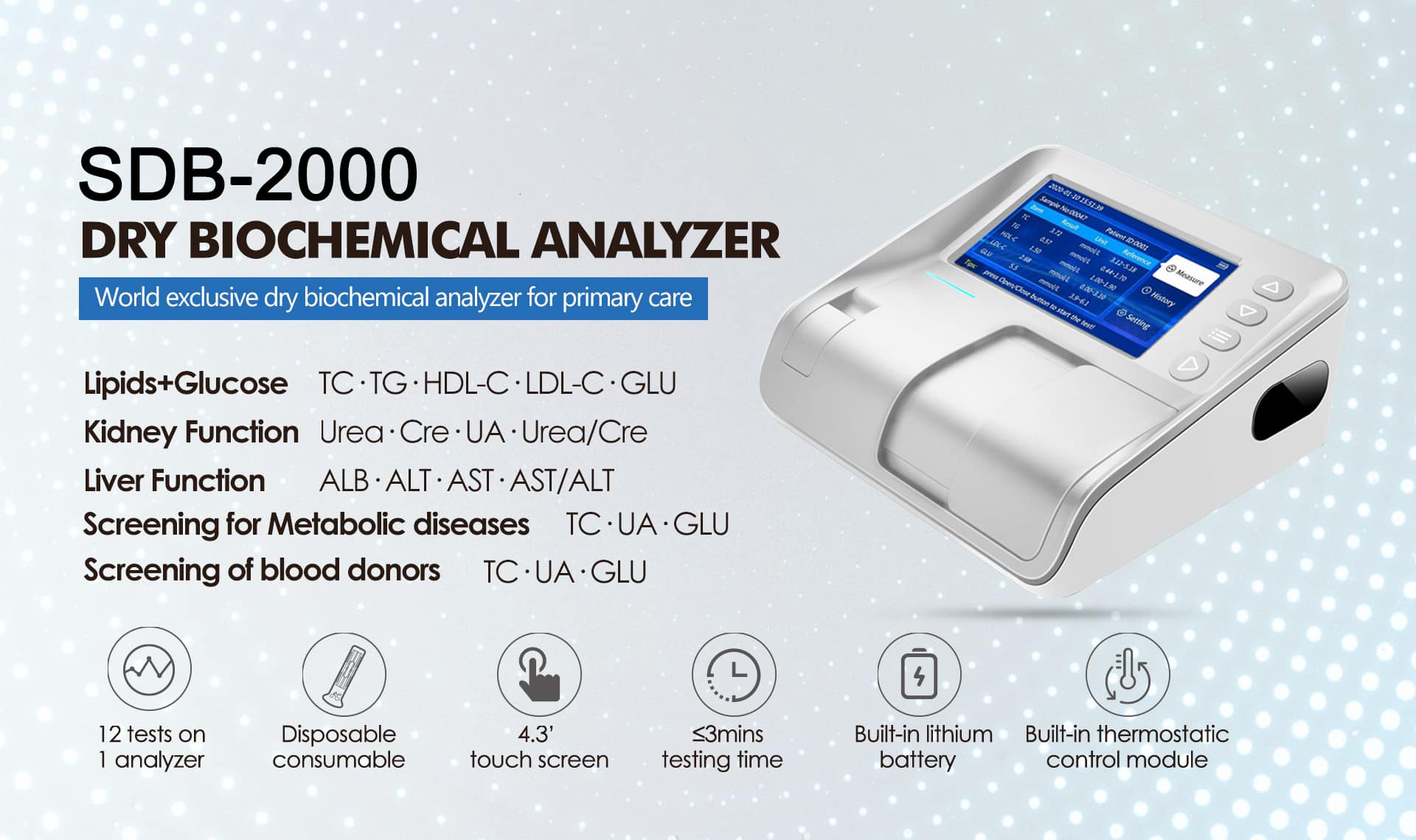
5. SoyMed hot sale NPT or POCT devices in the European Union
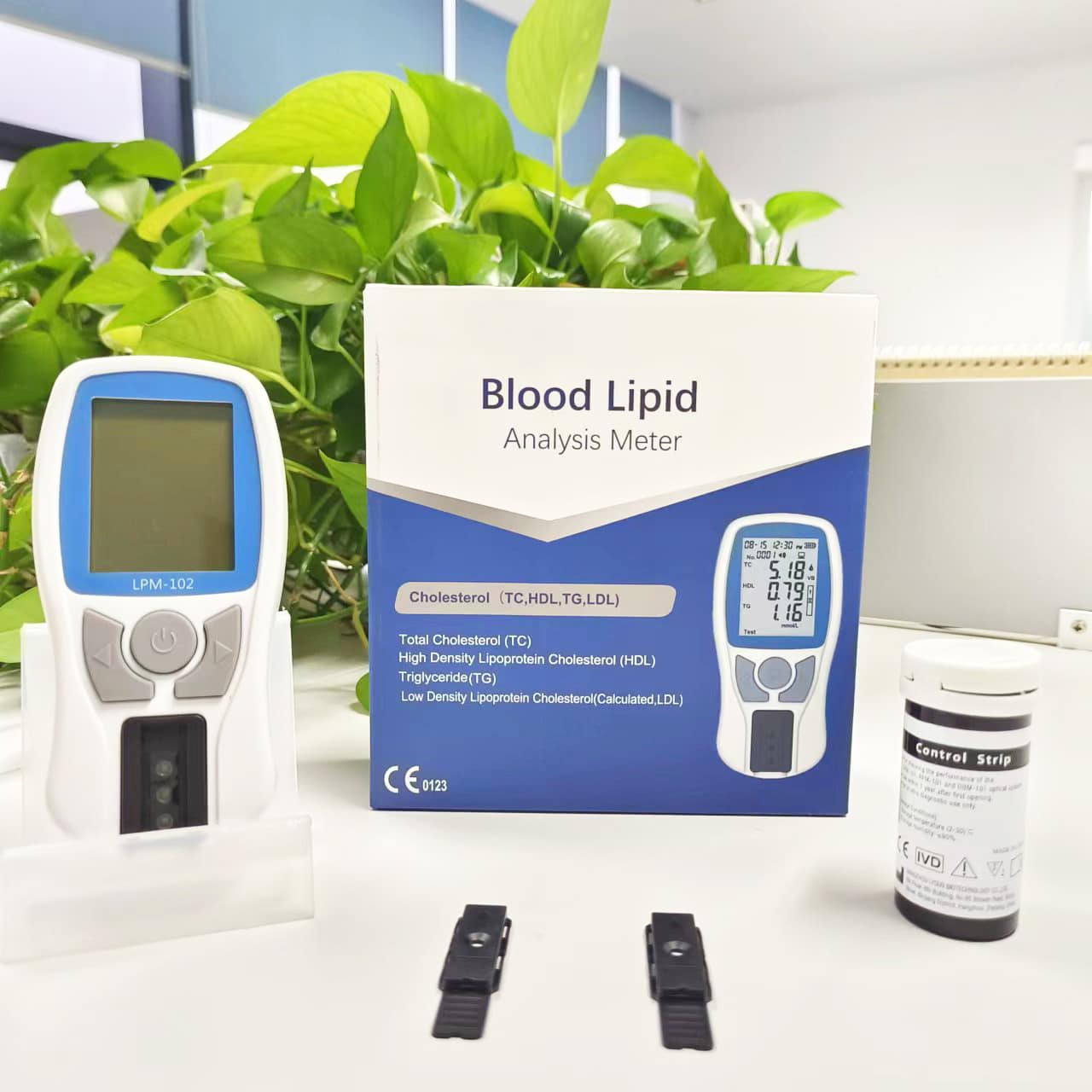
- Lipid analysis meter cholestrol meter